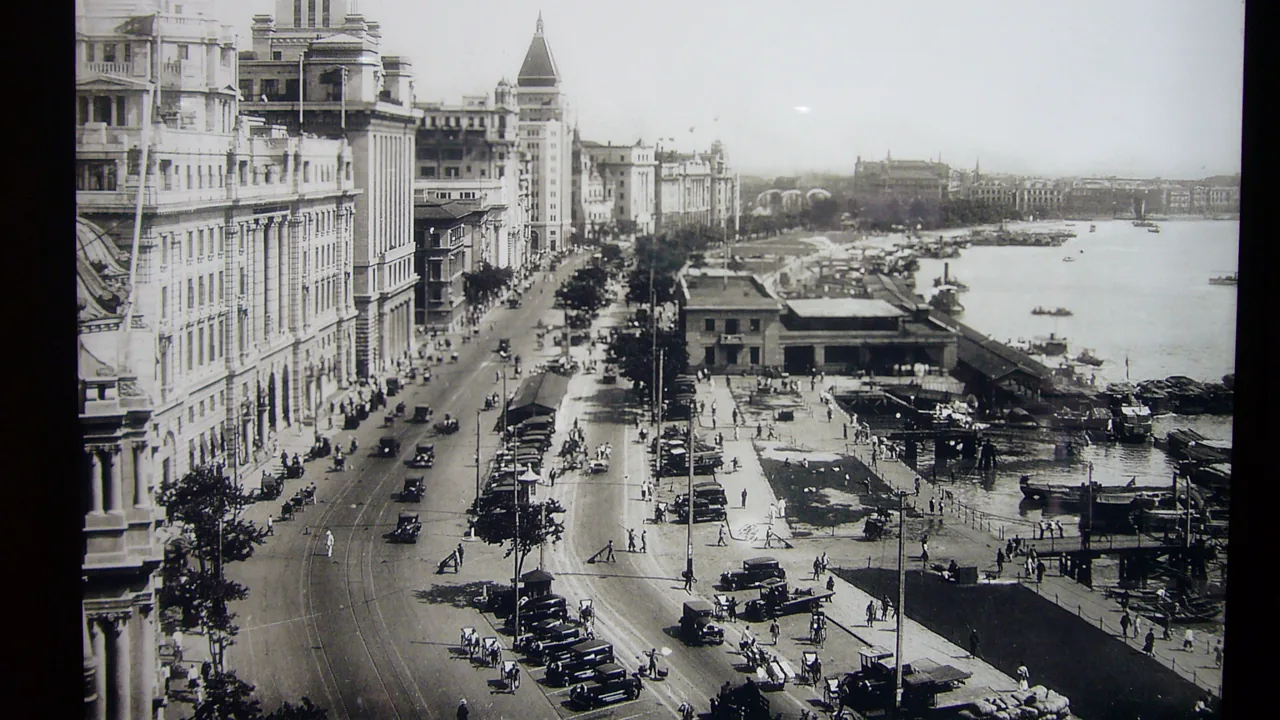
 非同期影像 / Illustrative image, not contemporaneous · 1930
01 / APPEARANCE
Are You Seeing the Whole of China?
China ≠ the Chinese Communist PartyUnderstand today's China through history, power, and ordinary lives — using evidence that can be checked.Start the Story ↓02-03 / ORIGINS AND THE ROAD TO POWER
Where Did the Communist Party Come From?
How Did It Take Power?
From revolutionary theory in Europe, to the Bolshevik model in Russia, to the founding and rise of the Chinese Communist Party, the path to power involved ideology, organisation, propaganda, armed struggle and war.How this happened, and what it cost, should be tested against manifestos, party histories, archives, personal records and independent research.Ideas→Class struggle→Organisation→Violent revolution→War→State power
非同期影像 / Illustrative image, not contemporaneous · 1930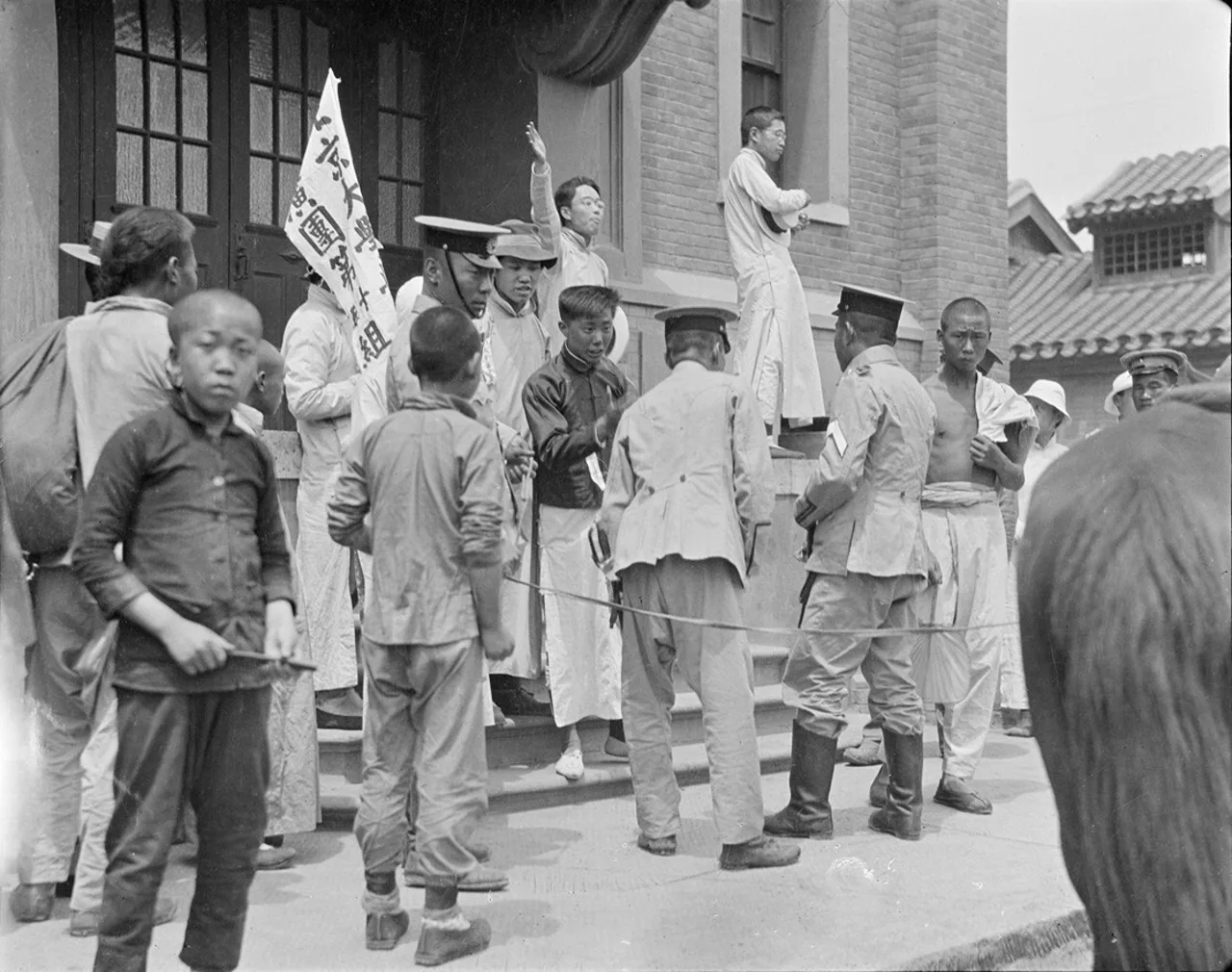 非同期影像 / Illustrative image, not contemporaneous · 1919
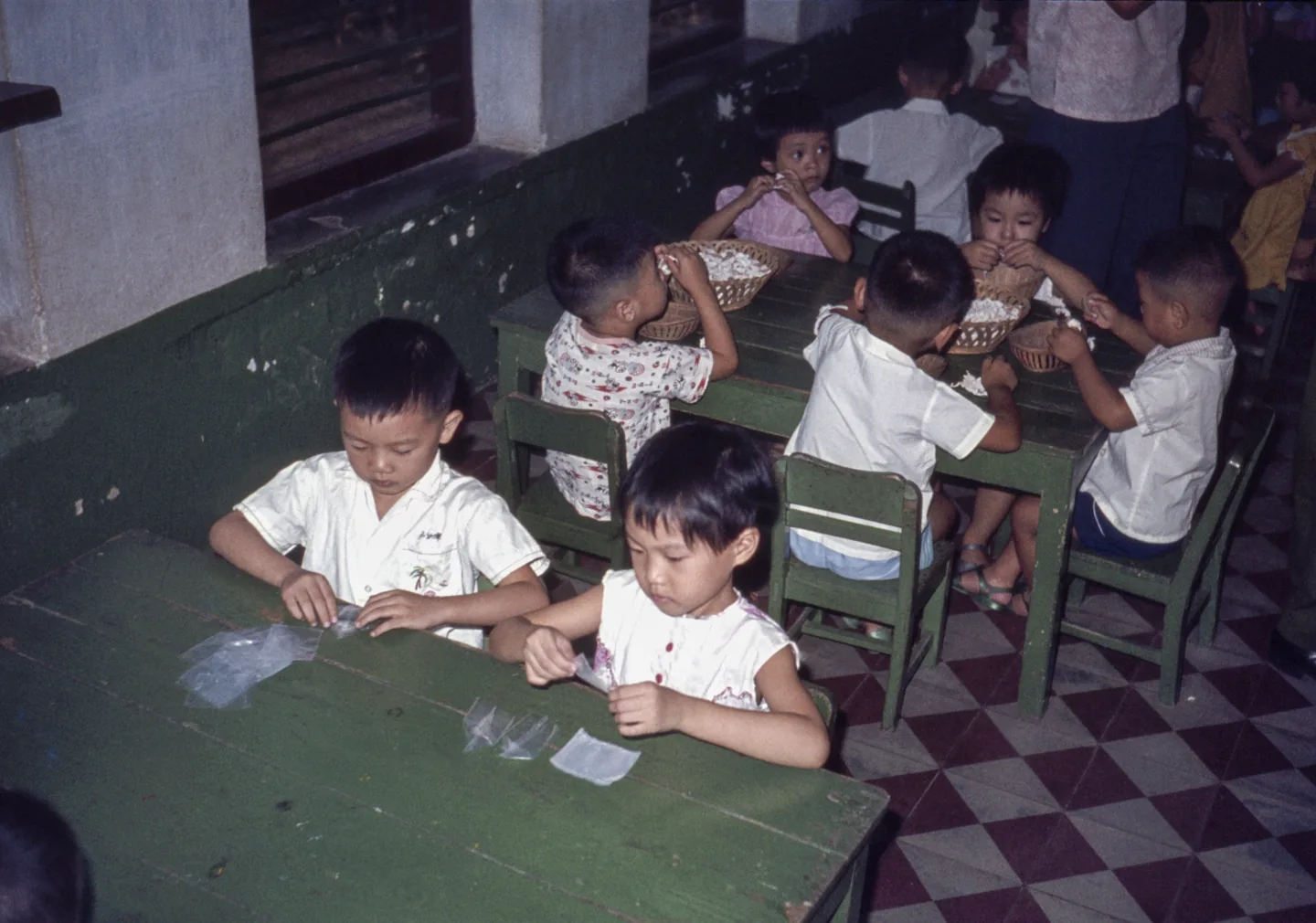 非同期影像 / Illustrative image, not contemporaneous · 1978
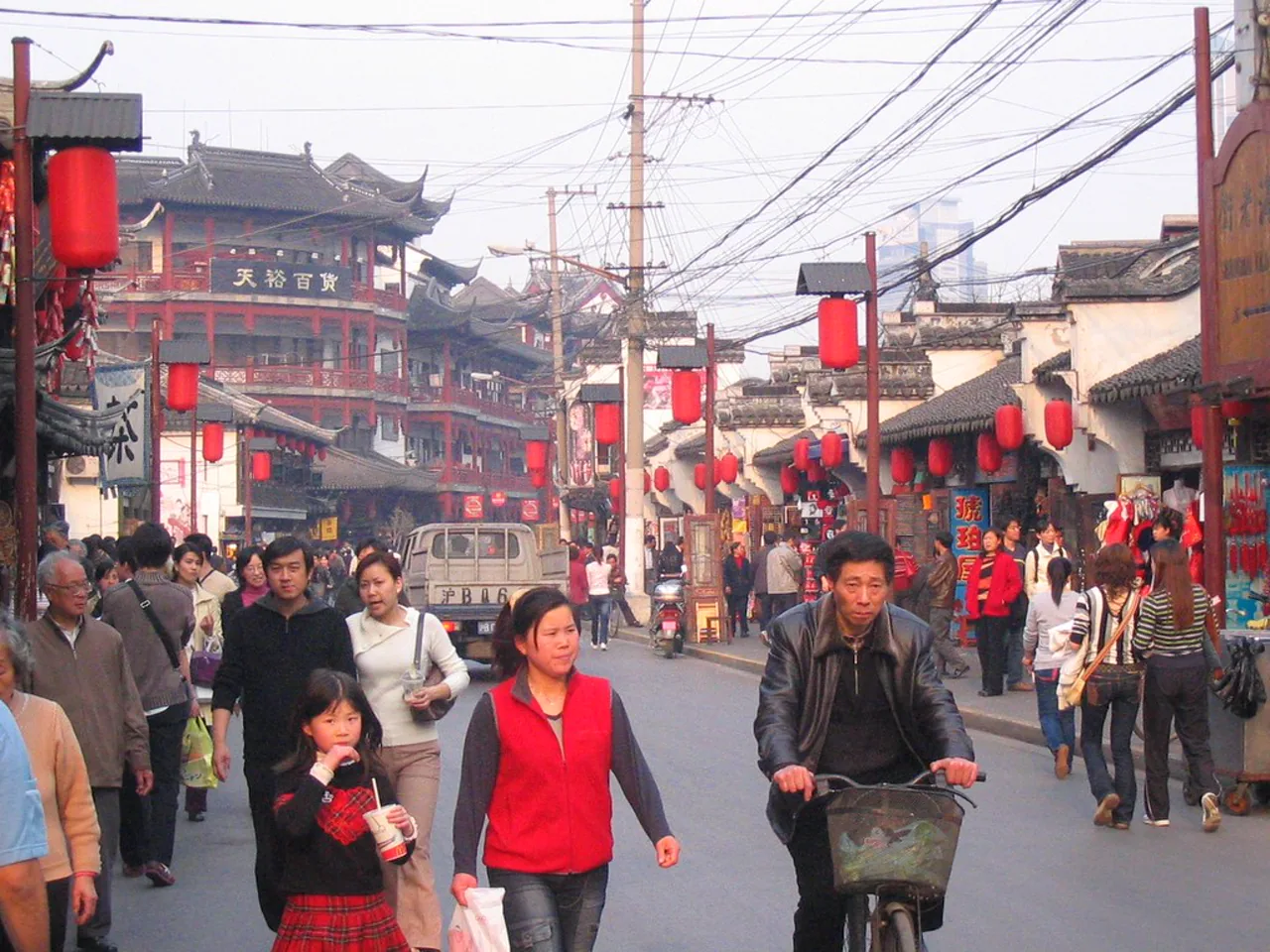 非同期影像 / Illustrative image, not contemporaneous · 2005
How Did It Take Power?
Propaganda → organisation → state power → one-party rule
FURTHER READING
Further Reading
Continue following these lines of inquiry through books, memoirs and historical research.These are reading and research leads; inclusion does not mean every statement is treated as established fact.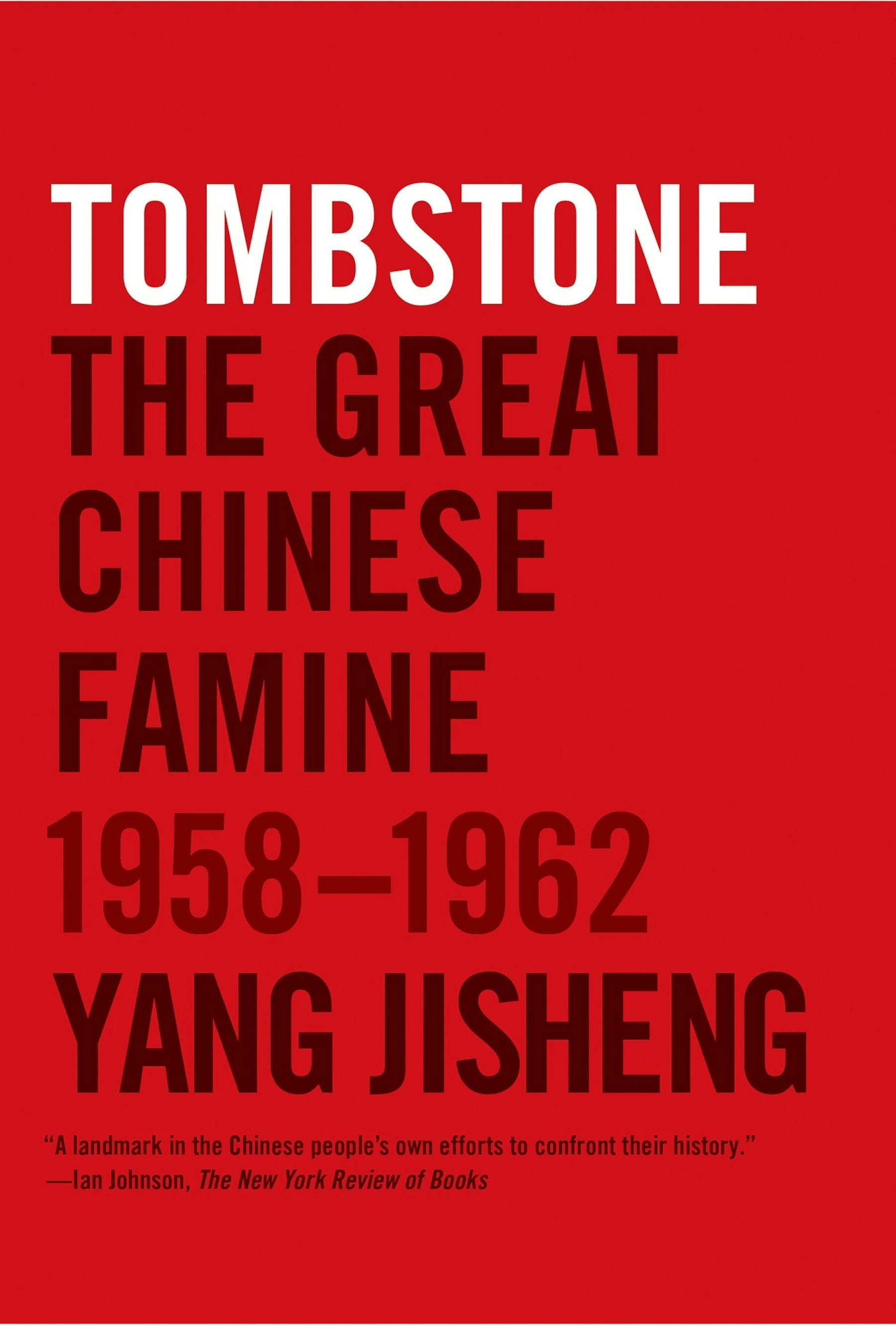
Tombstone: The Great Chinese Famine, 1958–1962
《墓碑》杨继绳 / Yang JishengA route into famine memory, local material, policy, information and human cost.
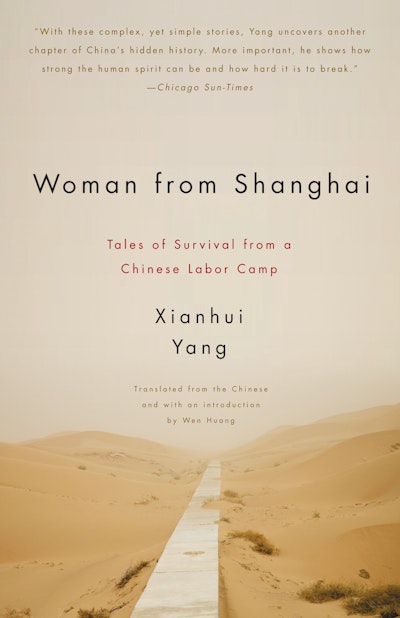
Woman from Shanghai: Tales of Survival from a Chinese Labor Camp
《夹边沟记事》杨显惠 / Yang XianhuiSurvivor accounts tracing labour camps, hunger and individual experience.
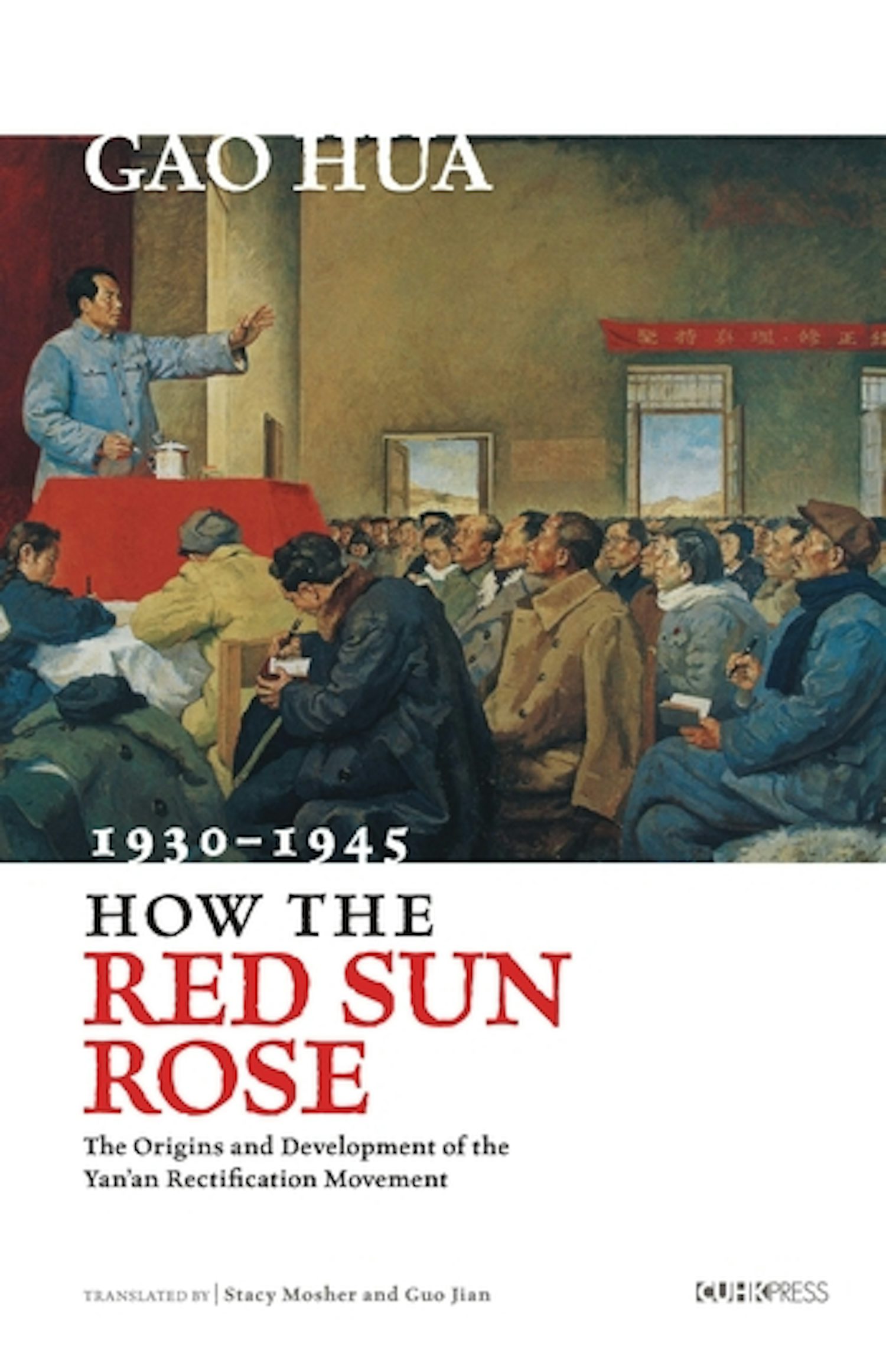
How the Red Sun Rose: The Origins and Development of the Yan'an Rectification Movement, 1930–1945
《红太阳是怎样升起的》高华 / Gao HuaA study of revolutionary organisation, mobilisation and the formation of power.
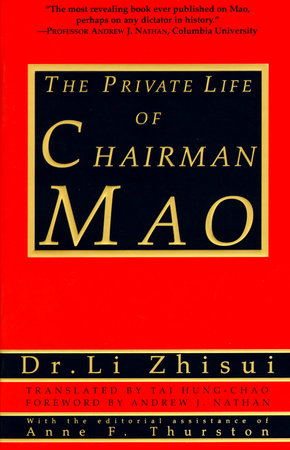
The Private Life of Chairman Mao
《毛泽东私人医生回忆录》李志绥 / Li Zhi-SuiA personal memoir best read alongside other sources and accounts.
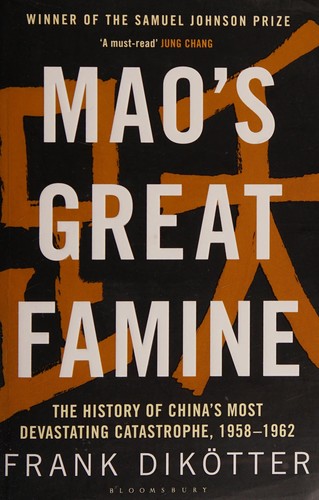
Mao's Great Famine: The History of China's Most Devastating Catastrophe, 1958–62
《毛泽东的大饥荒》Frank Dikötter / 冯客An archival and research-based perspective on the social consequences of the Great Leap Forward.
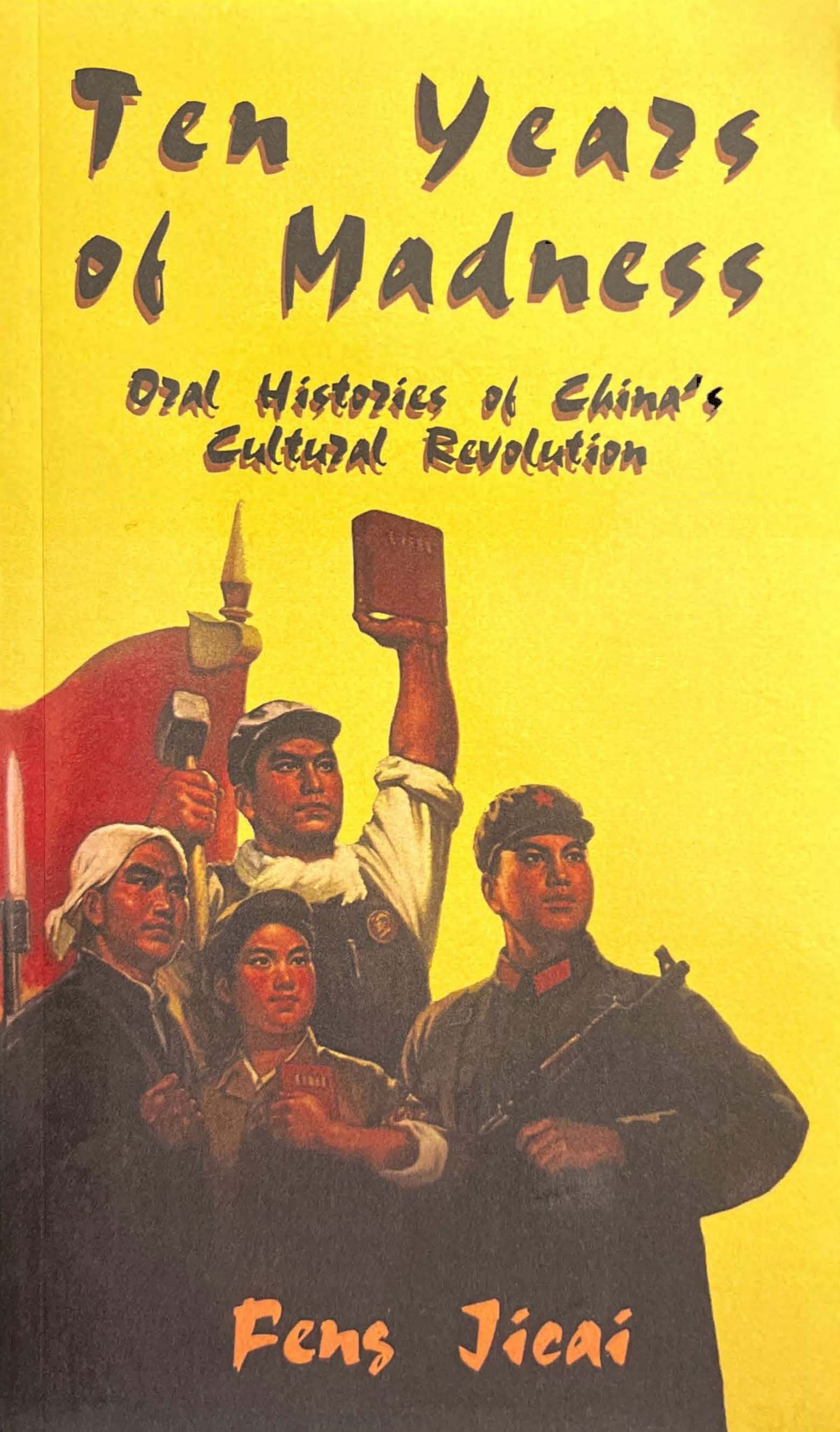
Ten Years of Madness: Oral Histories of China's Cultural Revolution
《一百个人的十年》冯骥才 / Feng JicaiOral histories preserving individual experiences of the Cultural Revolution era.
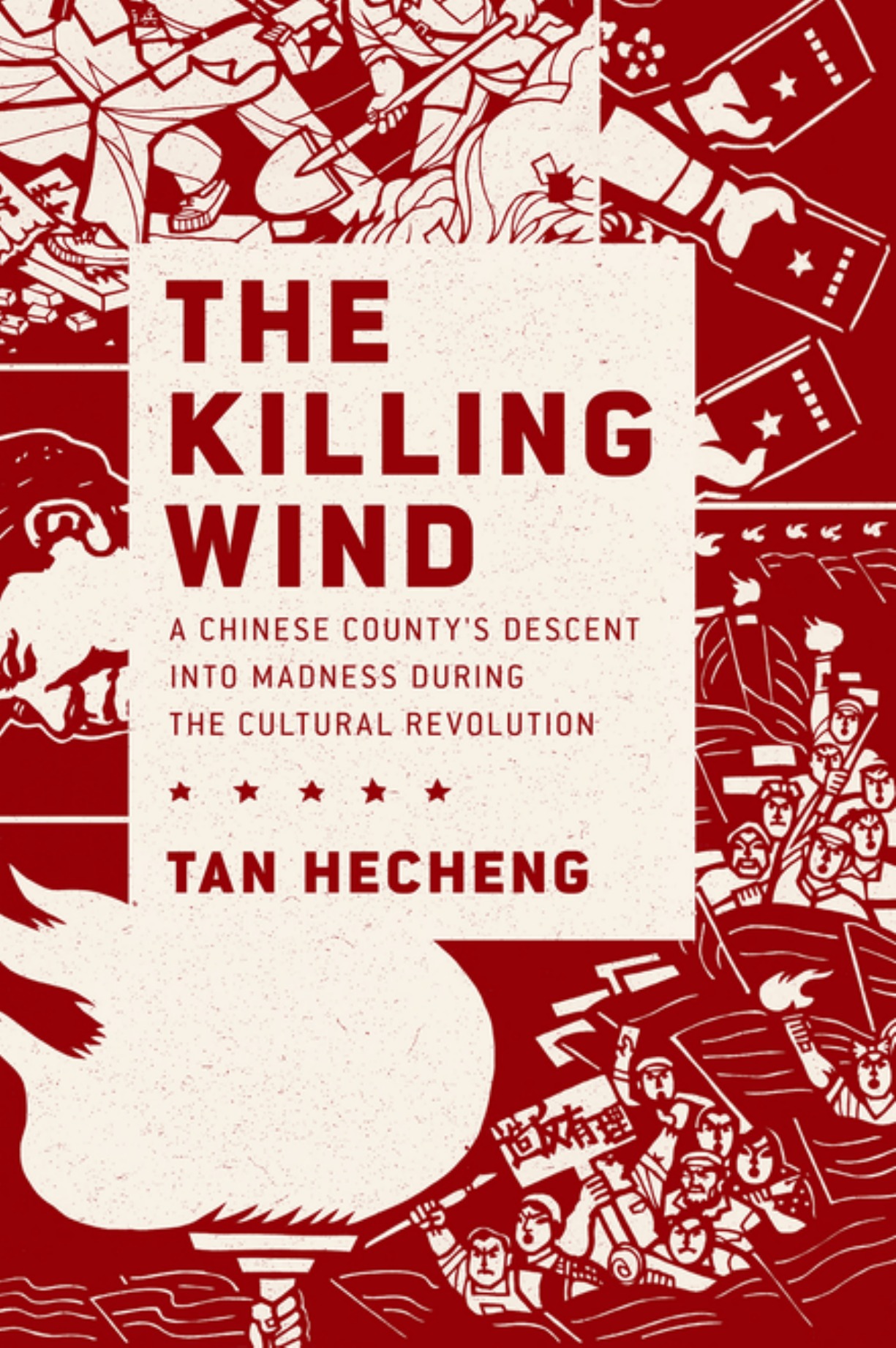
The Killing Wind: A Chinese County's Descent into Madness during the Cultural Revolution
《血的神话》谭合成 / Tan HechengMaterial and questions surrounding a specific historical event and its narratives.
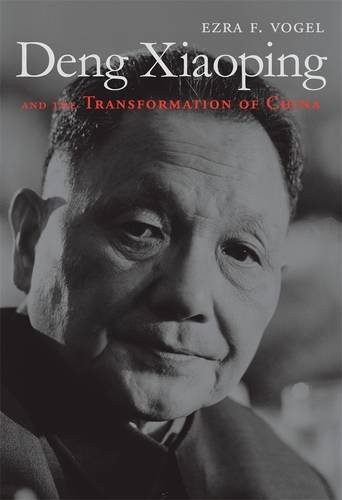
Deng Xiaoping and the Transformation of China
《邓小平时代》Ezra F. Vogel / 傅高义A research path into policy, governance and social change in the reform era.
04 / REMAKING SOCIETY
How Does Power Enter Society?
It does not live only in slogans. It enters organisations, resources, education and daily life.05 / HUMAN COST
Why Do Disasters Happen?
Do not assume the answer. Each case should examine policy, information, professional judgement, responsibility and human cost.The more serious the consequence, the higher the standard of evidence.
06 / AN ORDINARY LIFE
How Far Is Power from an Ordinary Person?
Perhaps it runs through an entire life.- 01BirthFamily and household registration
- 02SchoolEducation and ideas
- 03WorkWork unit, records and organisations
- 04HousingLand and property rights
- 05Marriage and familyFamily policy
- 06HealthcarePublic institutions
- 07SpeechMedia, internet and expression
- 08BeliefState, religion and conscience
- 09Later lifeSocial security
Institutions do not exist only in political events.
They may run through an entire life.
07-08 / REFORM, MODERNISATION AND COST
China Changed.
Who Bore the Cost?
Recognise growth, urbanisation, technology and changing lives; also examine engineering, oversight, disclosure and responsibility.BeforeHistorical China in transition TodayModern China — growth and new risks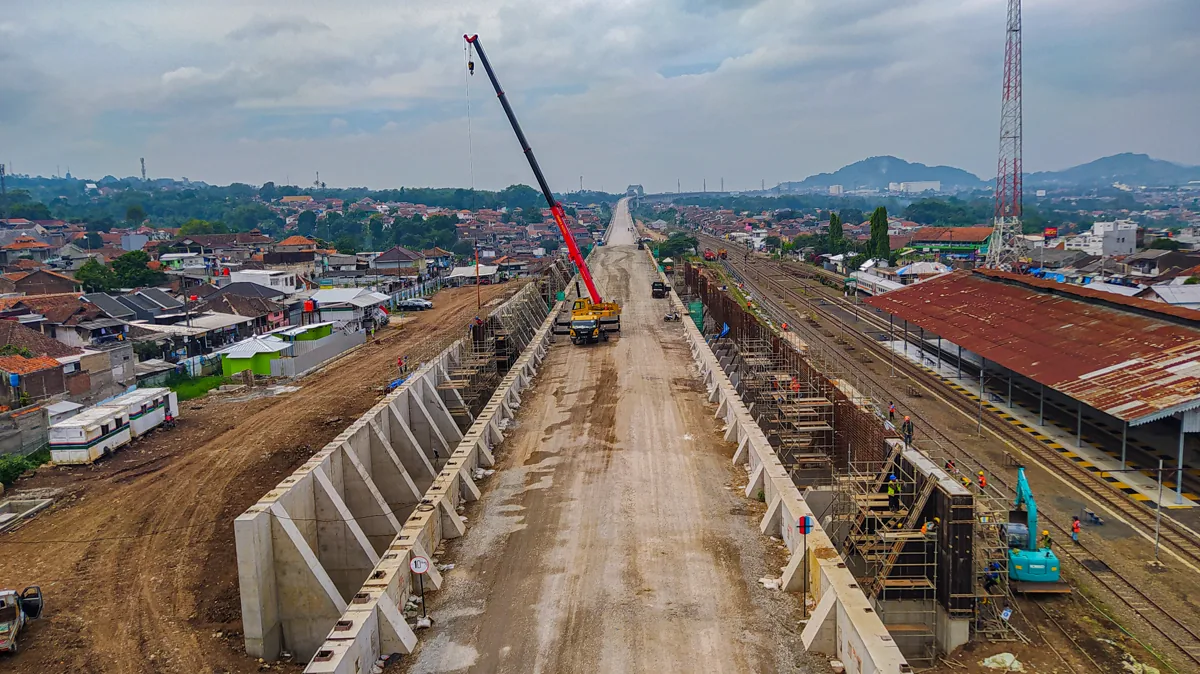
What happenedDesign and engineeringConstruction and oversightCasualties and disclosureResponsibility and recurrence“Shoddy construction” is not a preset conclusion. Evidence determines the conclusion.
09 / DIGITAL POWER
From Files
to Databases
Technology changed. How did its capacity to monitor and control people change?Files→Registration→Phone→Platform→Database→Algorithm
From Paper Files to Databases
Files, cameras, facial recognition, real-name systems, internet controls and digital governance.
10-11 / CONTEMPORARY GOVERNANCE AND GLOBAL IMPACT
How Does It Operate Today?
How Is It Reaching Beyond China?
From organisation, information, space and daily life to trade, technology, infrastructure and international institutions.3F
This claim appears in public discussion and material; its sources, evidence and disputes are examined in the topic page.
12 / PRIMARY EVIDENCE
What Supports This?
Do not believe this site simply because it says so.
Look at the evidence first.
Image Credits
- H-01 · Sandykkzk · CC BY-SA 4.0 · Wikimedia Commons · Hutong 2021
- A-01 · Sidney David Gamble · U.S. public domain · Duke University Libraries / Wikimedia Commons
- T-04 · Paul Burns · CC BY-SA 4.0 · Wikimedia Commons
- T-04A · H. Grobe · CC BY-SA 3.0 · Wikimedia Commons
- H-01C · Thiago Hirai · CC BY 2.0 · Wikimedia Commons
- C-01A · Jordiferrer · Public Domain Mark · Wikimedia Commons
- C-01B · David Zhang · CC BY-SA 2.0 · Wikimedia Commons
- C-02A · Adolf Nikolay Boyarsky · Public Domain Mark · National Library of Brazil / Wikimedia Commons
- C-02B · Christophe95 · CC BY-SA 4.0 · Wikimedia Commons
- W-01 · Pete Souza / The White House · U.S. public domain · Wikimedia Commons
- W-04 · domdomegg · CC BY 4.0 · Wikimedia Commons
- W-06 · Naufal Farras · CC BY-SA 4.0 · Wikimedia Commons
- W-07 · M. Asokan / Prime Minister's Office, Government of India · Government Open Data License - India · Wikimedia Commons