FURTHER READING
Books and research paths
Continue following these lines of inquiry through books, memoirs and historical research.
These are reading and research leads. Their inclusion does not mean the archive treats every statement in a book as established fact. Read across sources, editions and research.
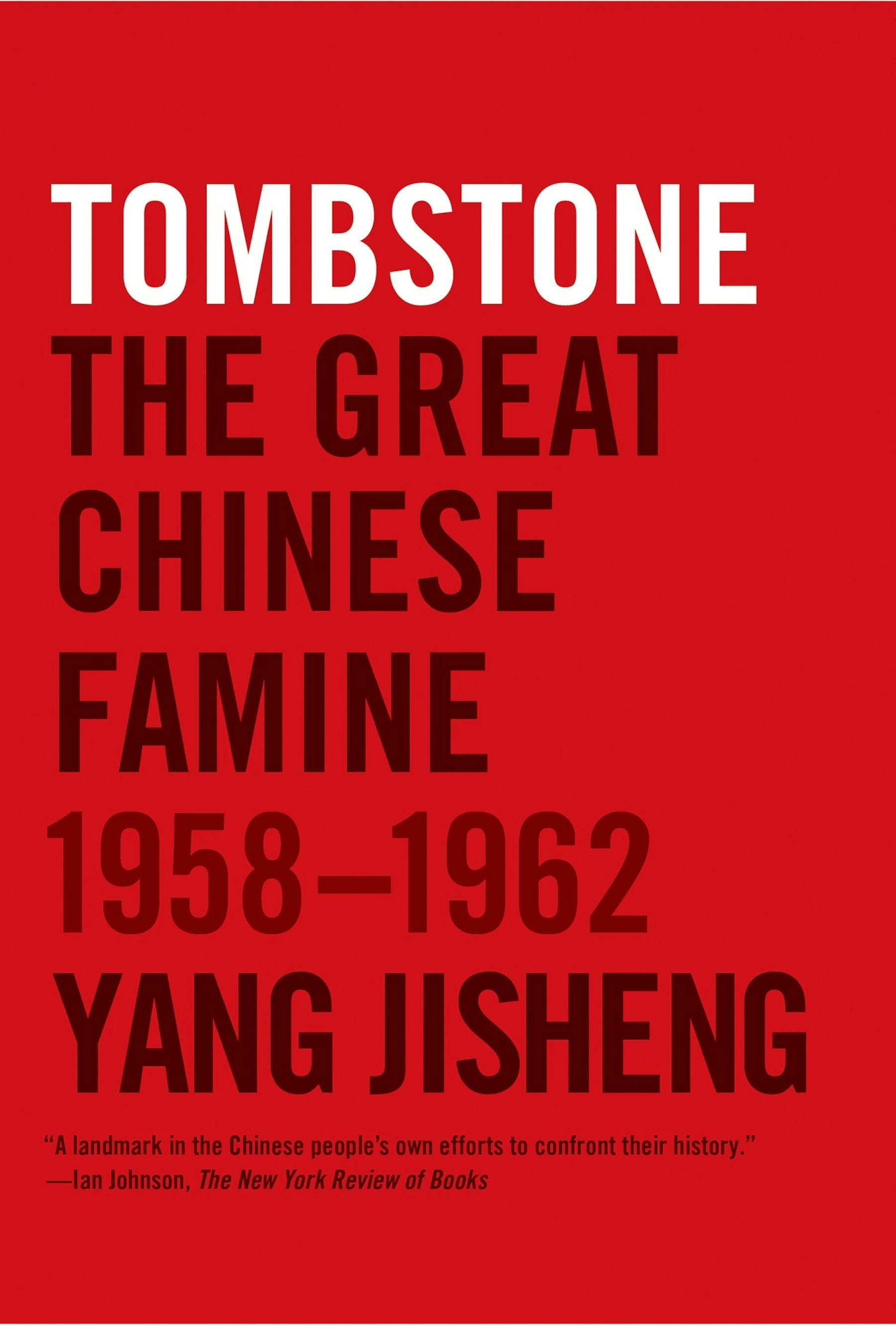
Tombstone: The Great Chinese Famine, 1958–1962
《墓碑》
杨继绳 / Yang Jisheng · 2008(英译本 2012)
A route into famine memory, local material, policy, information and human cost.
Summary
Drawing on archives, interviews, and local materials, Yang traces the formation and regional variations of the 1958–62 famine. It places policy implementation, procurement, distorted information, and household experience in the same frame.
Why read it
It connects high-level policy to local governance and individual lives, and opens paths to county records, archives, and scholarship.
Related topics
Great Leap Forward and famine · Rural governance · Information and policy
Reading note
Cross-check its archival use, statistical choices, and causal interpretation against regional and demographic research; no single estimate is uncontested.
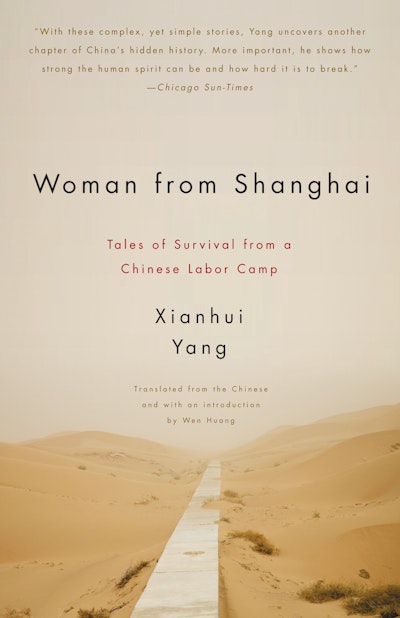
Woman from Shanghai: Tales of Survival from a Chinese Labor Camp
《夹边沟记事》
杨显惠 / Yang Xianhui · 2009 (English edition; Chinese publication history varies by edition)
Survivor accounts tracing labour camps, hunger and individual experience.
Summary
This English selection follows stories connected to survivors of the Jiabiangou labour camp and people sent northwest after the Anti-Rightist Campaign. It interweaves documentary interviews with literary narration to examine hunger, separation, and survival.
Why read it
It returns institutional classification and punishment to individual voices, making it useful alongside policy documents and camp histories.
Related topics
Anti-Rightist Campaign · Labour camps and social control · Oral memory
Reading note
The book is interview-based but also literary and selective; cross-check personal details, figures, and the scope of cases with independent sources.
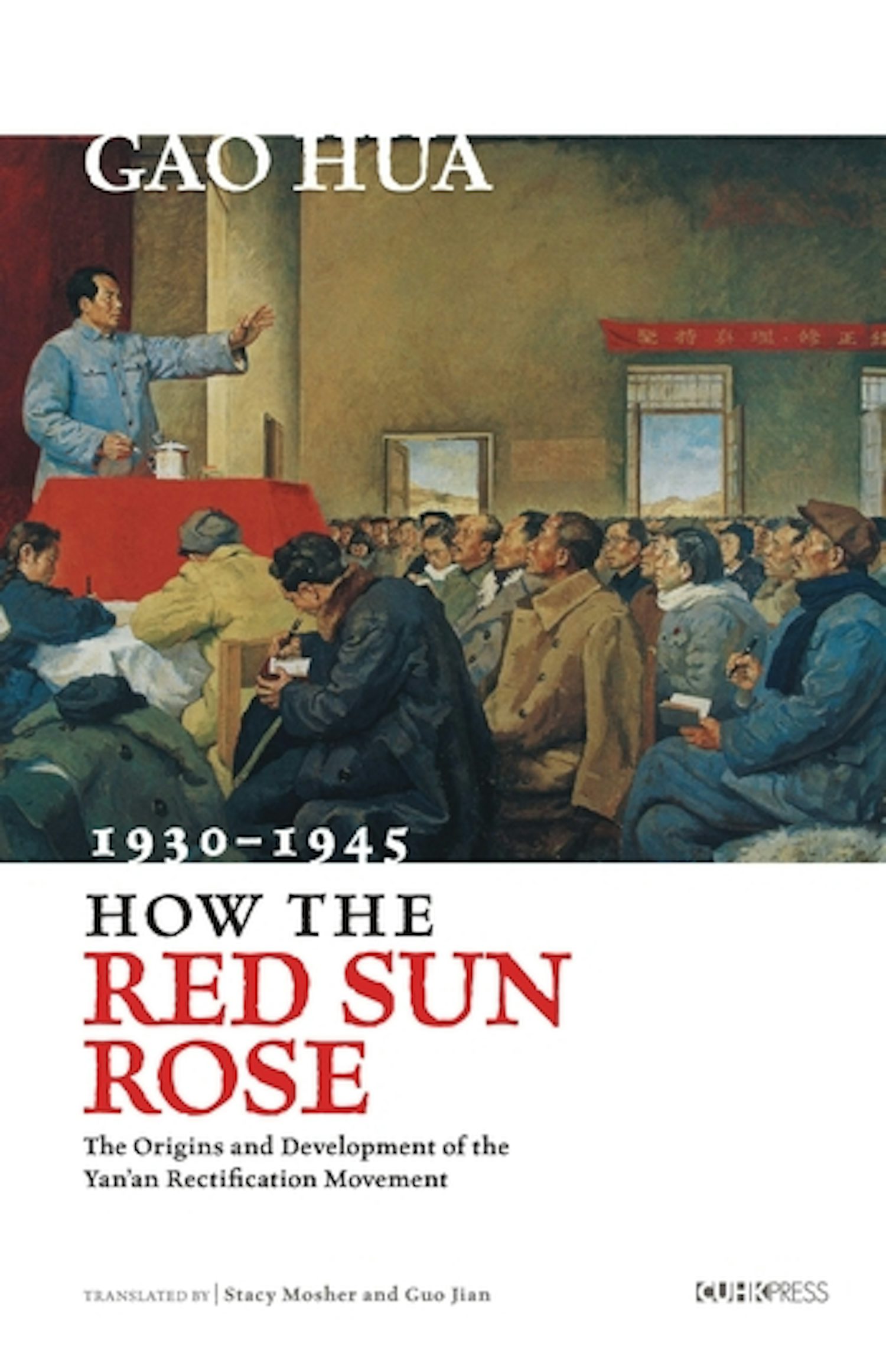
How the Red Sun Rose: The Origins and Development of the Yan'an Rectification Movement, 1930–1945
《红太阳是怎样升起的》
高华 / Gao Hua · 2000(英译本 2019)
A study of revolutionary organisation, mobilisation and the formation of power.
Summary
The book examines the background, organisation, and political consequences of the Yan'an Rectification Movement, including thought reform, cadre review, and institutional reorganisation. It connects party history from 1930 to 1945 with the formation of Mao Zedong's leadership.
Why read it
It studies revolutionary power through organisational mechanisms rather than a single-leader narrative, and frames questions for reading party history.
Related topics
Yan'an Rectification · Party organisation · Thought reform and political mobilisation
Reading note
This is an interpretive scholarly work with a distinct framework; read it alongside contemporary documents, other scholarship, and different editions of the material.
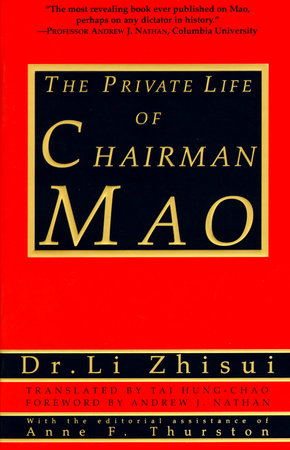
The Private Life of Chairman Mao
《毛泽东私人医生回忆录》
李志绥 / Li Zhi-Sui · 1994
A personal memoir best read alongside other sources and accounts.
Summary
Writing as a physician who worked near Mao, Li recalls his work and observations from the 1950s to the 1970s, including everyday life and the atmosphere of elite politics. It offers personal testimony rather than a complete institutional history.
Why read it
It shows how memoir can supplement official material while training attention to access, time distance, and narrative position.
Related topics
Mao era · Elite politics · Memoir and testimony
Reading note
Details and judgments in memoir raise questions of verification and perspective; claims lacking independent confirmation should be checked against archives, contemporary materials, and scholarship.
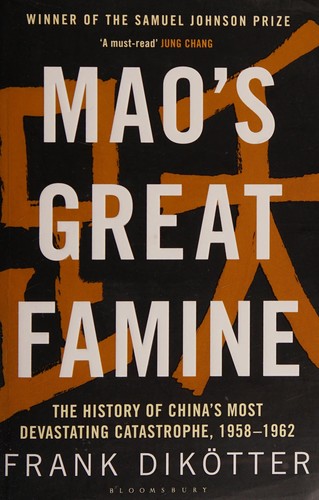
Mao's Great Famine: The History of China's Most Devastating Catastrophe, 1958–62
《毛泽东的大饥荒》
Frank Dikötter / 冯客 · 2010
An archival and research-based perspective on the social consequences of the Great Leap Forward.
Summary
Using local archives and other materials, Dikötter examines procurement, labour mobilisation, violence, and famine experience during the Great Leap Forward. The narrative links central policy, local implementation, and damage to everyday life.
Why read it
Read it alongside Tombstone to compare how different authors organise archives, estimate scale, and explain the relationship between policy and local implementation.
Related topics
Great Leap Forward and famine · Local archives · State and rural society
Reading note
Researchers differ over specific mortality estimates, the representativeness of some archival evidence, and aspects of causal interpretation. Compare the book with demographic studies, regional research, and other primary sources.
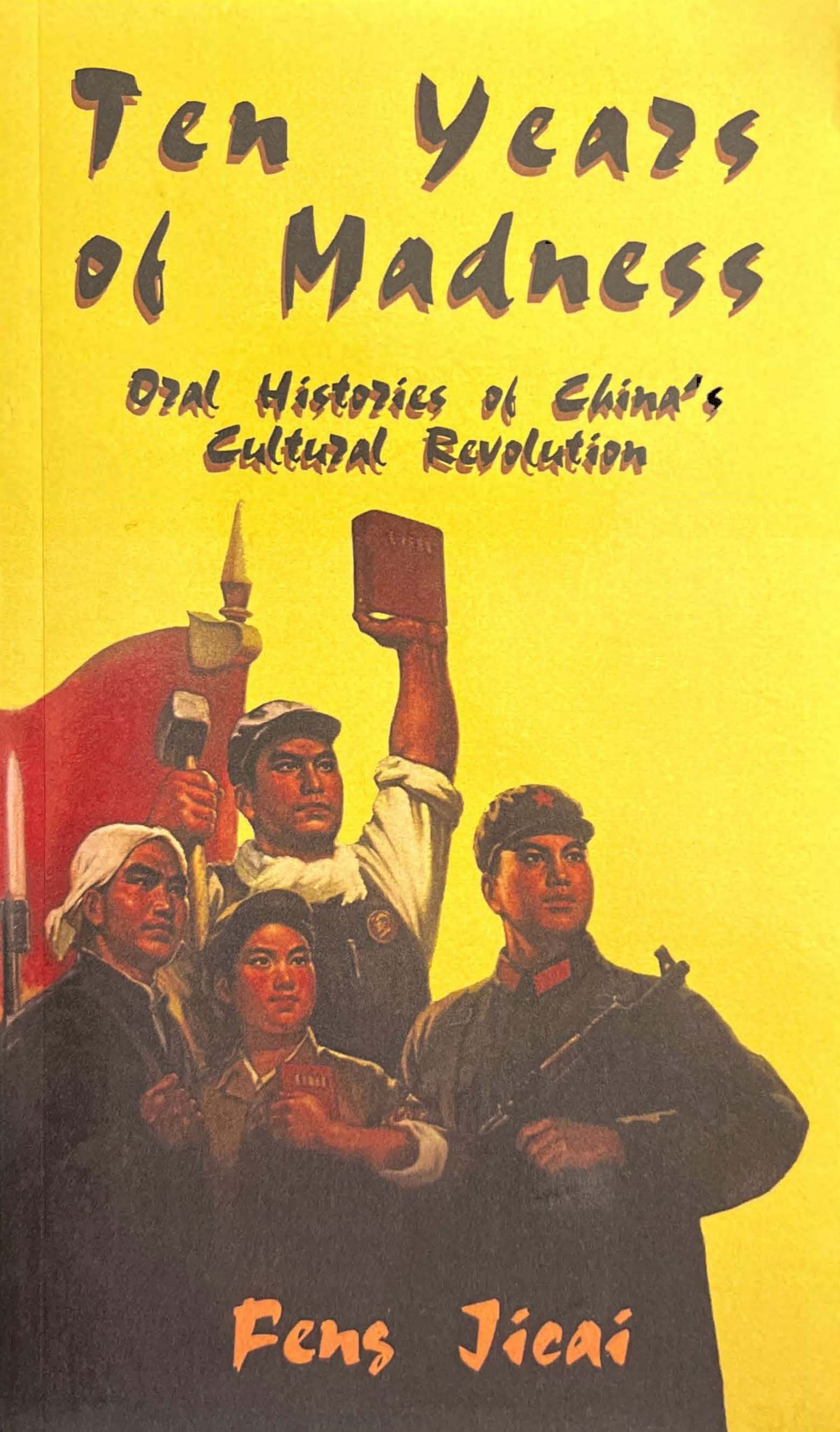
Ten Years of Madness: Oral Histories of China's Cultural Revolution
《一百个人的十年》
冯骥才 / Feng Jicai · 1996(英译本)
Oral histories preserving individual experiences of the Cultural Revolution era.
Summary
The book gathers oral histories from people who lived through the Cultural Revolution, tracing conflict and damage in schools, families, work units, and social relations. It preserves multiple personal perspectives rather than offering a single total explanation.
Why read it
It brings a large political movement back into lived histories and helps readers consider how memory, narration, and silence become historical material.
Related topics
Cultural Revolution · Oral history · Everyday life and politics
Reading note
Oral history foregrounds experience but is shaped by memory, interview context, and selection; compare it with local histories, documents, and other testimonies.
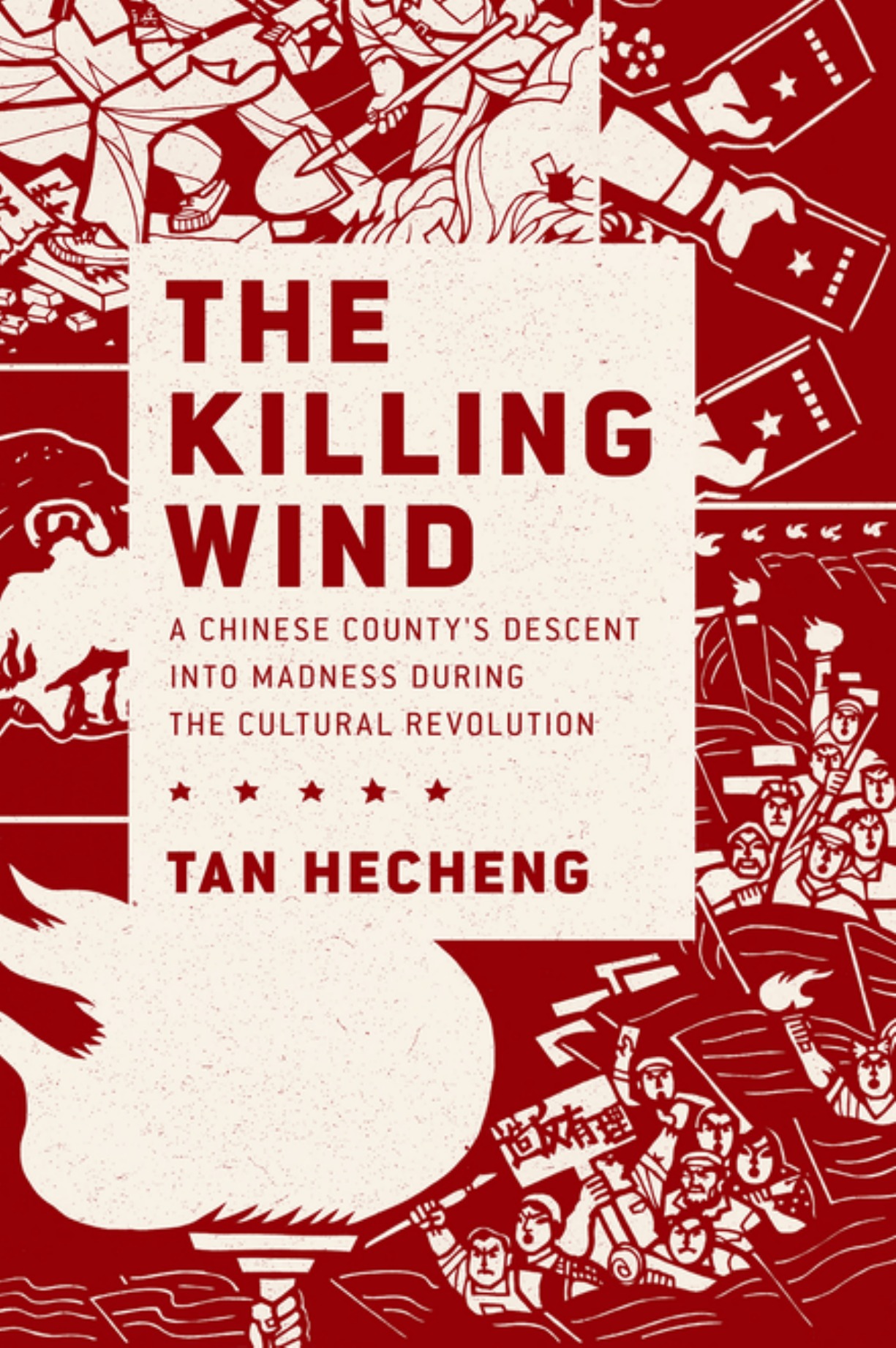
The Killing Wind: A Chinese County's Descent into Madness during the Cultural Revolution
《血的神话》
谭合成 / Tan Hecheng · 2017(英译本)
Material and questions surrounding a specific historical event and its narratives.
Summary
The book focuses on violence in Daoxian and surrounding areas during the Cultural Revolution, using investigation, interviews, and documentary material to ask how it spread. The English edition is an authorised edited and abridged version.
Why read it
It offers a local case for examining, through testable material, the relationship between political slogans, organisational pressure, and specific violence.
Related topics
Cultural Revolution · Local violence · Investigation and historical memory
Reading note
Note the differences in length and editing between the English edition and the Chinese original; cross-check figures, attribution of responsibility, and interpretation with local records and other research.
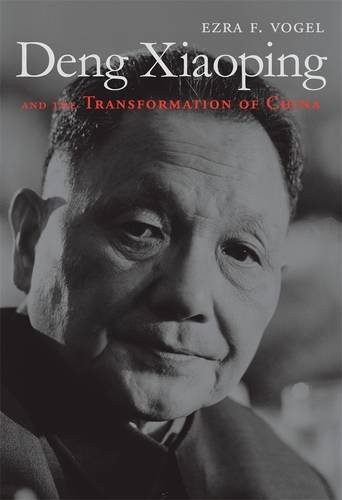
Deng Xiaoping and the Transformation of China
《邓小平时代》
Ezra F. Vogel / 傅高义 · 2011
A research path into policy, governance and social change in the reform era.
Summary
Following Deng Xiaoping's political career, the book traces reform and opening, party decision-making, foreign relations, and key moments of the late 1980s. It combines political biography with a history of the reform era.
Why read it
It helps build a timeline for the reform era and read policy shifts, power relations, and social change together.
Related topics
Reform and opening · Party decision-making · State and market
Reading note
This is a comprehensive political history told with Deng Xiaoping at its centre. Readers should note that its leader-centred perspective may understate local practice, institutional inertia, and the roles of other political figures and social forces; read assessments of policy effects and historical significance alongside socioeconomic history and sources from differing perspectives.